$8 million for more greenspace so everyone can play

More inclusive playspaces will be rolled out across the state, with $4 million to be shared between 29 councils in the fourth and final round of the NSW Government’s Everyone Can Play program.
Minister for Planning and Public Spaces Rob Stokes said the funding will support the delivery of 33 new or upgraded playspaces across NSW.
“All communities should have access to great public spaces, and the Everyone Can Play program is providing people of all ages and abilities with places to come together and have fun,” Mr Stokes said.
“Since 2018 we’ve invested $15 million into 108 new or improved playspaces in Greater Sydney and regional NSW. We’re thrilled to announce funding for another 33 projects, providing more and better public play facilities everyone can enjoy.
“This award-winning program asks three simple questions to inform best practice inclusive design – Can I get there? Can I play? Can I stay?”
Some of the 33 projects funded in the final round of the Everyone Can Play program include:

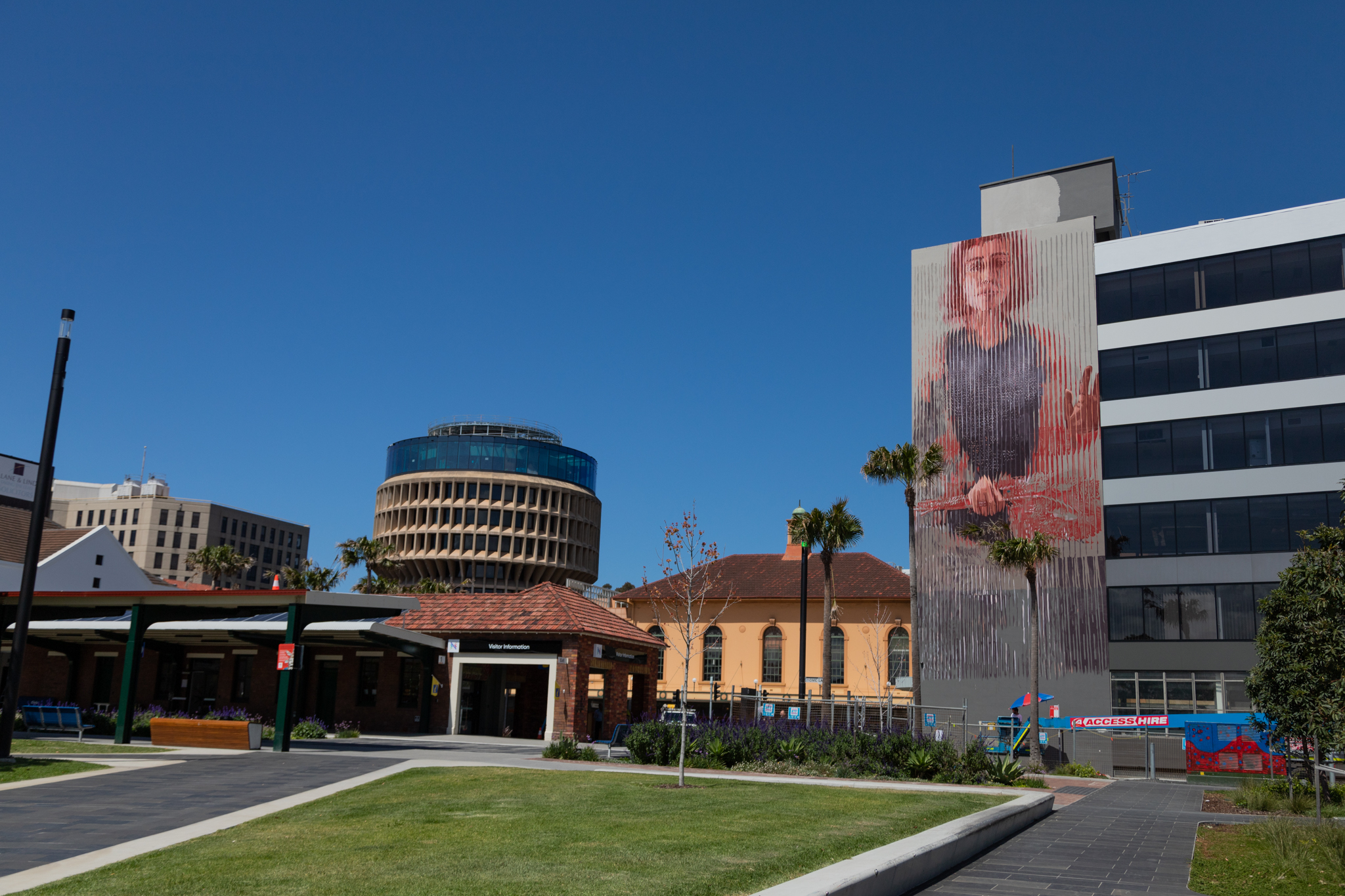
  • Wollongong City Council: $200,000 for an inclusive playspace in Stuart Park;
  • City of Canada Bay Council: $200,000 for an inclusive nature playspace in Queen Elizabeth Park;
  • Goulburn Mulwaree Council: $200,000 for a new inclusive nature playspace in Marulan Village;
  • Georges River Council: $200,000 for a new inclusive playspace in Oleander Reserve;
  • Cumberland City Council: $75,000 for an upgrade to the Ruth Street Park playspace; and
  • Upper Hunter Shire Council: $74,000 for an upgrade to the Amaroo Park playspace.

The Everyone Can Play program was established in 2018 as part of the NSW Government’s $290 million Open Spaces and Greener Sydney package. It supports the Government’s target of increasing public access to quality, walkable, green and open public space.
An additional $4 million is also up for grabs for councils across Greater Sydney as part of the NSW Government’s Metropolitan Greenspace Program.
Mr Stokes said the NSW Government will match councils dollar-for-dollar for new and improved parks, cycleways and greenspaces.
“Last year, we awarded almost $4 million to support 12 councils to deliver 13 projects and it’s now time for councils to nominate again for more projects.”
Applications for the Metropolitan Greenspace Program are open until 4 March 2022.
For further details, visit https://www.planning.nsw.gov.au/metropolitan-greenspace-program
A full list of Everyone Can Play grant recipients is available at: www.planning.nsw.gov.au/EveryoneCanPlay

Streamlined processes for out of school hours care licences

Clearer and simpler processes will support quality providers to operate Out of School Hours Care (OSHC) services, following a Department of Education review and streamlining of OSHC licence agreements.
The changes allow the Department to more transparently select high quality providers that best meet the needs of schools and most benefit students, while supporting existing providers of OSHC services to make a smooth transition to new arrangements.
Minister for Education and Early Childhood Learning Sarah Mitchell said the Department’s review of licence agreements identified areas of improvement were needed, including simplification of the licence categories and associated tender processes.
“We are committed to providing before and after school care services for families who need it in NSW, and we want these services to be as high quality and affordable as possible,” Ms Mitchell said.
“Changes to the licensing approach are needed to ensure the Department is following best-practice administrative law and direct negotiations guidelines, and to ensure that students and families have access to the best possible OSHC services.”
The Department is simplifying the licensing process by making Category A licences available only to P&C Associations.
Parent-run providers in this category who are not currently run by the P&C Association will be supported to transition to be incorporated under their P&C. Alternatively, providers can change to the not-for-profit Category B. Affected providers will have until at least December 2022 to finalise their transition process.
“We know how important parent-run services are to our school communities. That is why we want to work with and support them through this transition process,” Ms Mitchell said.
Government tendering guidelines require Category B and C providers to go to tender once their current licence expires.
The Department of Education will work with affected services to provide support and ensure a smooth transition into their new category.
To ensure more access to before and after school care in NSW, the NSW Government has committed $120 million to deliver a range of funded innovative solutions for the sector.

Man dies after being pulled from water – Merewether

A man has died after he was pulled from the water near Newcastle this afternoon.
About 2.30pm (Tuesday 14 December 2021), emergency services were called to Burwood Beach, Merewether, following reports a man and woman were in trouble in the water.
The 25-year-old woman made it to shore uninjured.
The 25-year-old man was sighted by a paraglider who landed and assisted the man to a rock ledge.
CPR was commenced on the swimmer prior to the arrival of emergency services. Despite their efforts, he died at the scene.
The paraglider sustained a serious injury to his knee.
Officers from Newcastle City Police District attended and will prepare a report for the information of the Coroner.
Police were assisted by members of the public and Surf Lifesaving NSW during the incident.

Australia launches National Preventive Health Strategy

The Morrison Government has today launched the National Preventive Health Strategy, a 10-year plan to improve the health and wellbeing of all Australians at all stages of life.
The Strategy seeks to improve Australia’s health system, fundamentally focused on the treatment of illness and disease, by increasing the focus on prevention – from illness to wellness, and from healthcare to health.
Chronic conditions are the leading cause of ill health and death in Australia and account for 87% of deaths.
The Strategy recognises that around 38% of the chronic disease burden could be prevented through a reduction in modifiable risk factors such as obesity, physical inactivity and the use of alcohol, tobacco and other drugs. This figure rises to be 49% for Aboriginal and Torres Strait Islander people.
The Strategy strongly emphasises that preventive action must focus on the all influencing factors that impact on health to ensure health equity is achieved for priority populations – this Strategy is for all Australians.
We know Australians in good health are better able to lead fulfilling and productive lives, and can participate fully in their community, their jobs, and their education. COVID-19 has highlighted the importance of our health and the economic benefits health can bring.
Strong action in preventive health will also reduce the burden of avoidable diseases and conditions on the health system, making it more robust and agile in responding to challenges, such as the COVID-19 pandemic.
There are four broad aims in the Strategy for Australians:

  • ensuring the best start in life, from conception into early childhood
  • improving quality of life and extending life expectancy
  • achieving health equity for priority populations, including Aboriginal and Torres Strait Islander people, and
  • increasing government investment in prevention.

The Strategy identifies 7 key system enablers that will be integral to creating long-term, sustainable changes to the health system for all Australians, outlining seven focus areas that require critical action to reduce the risks of poor health and disease:

  • nutrition
  • physical activity
  • tobacco
  • immunisation
  • cancer screening
  • alcohol and other drug use;
  • and mental health.

Australia’s record in prevention is already strong through immunisation, bowel and cervical cancer screening, and the reduction of tobacco use. The Strategy brings a coordinated, systems-based approach that seeks to embed prevention in the health sector and society more generally.
The Government has invested $1.9 million in 2021-22 to build the foundations of the Strategy, with the first steps for implementation are already underway.
The Blueprint for Action being developed to guide implementation and provide a roadmap for the next 10 years, to ensure the Strategy achieves success.
Other immediate priorities include creating an evidence-based Prioritisation Framework, analysing the current public health workforce, and developing consumer engagement and health literacy strategies.
The Strategy builds on other key areas of reform including the Primary Health Care 10 Year Plan and the refresh of the National Aboriginal and Torres Strait Islander Health Plan.
 

$23.7 million boost for Australian preventative health groups

Twenty-one health groups across Australia will share in $23.7 million over three years thanks to the Morrison Government’s National Preventative Health Strategy, furthering support for the health and wellbeing of all Australians.
Organisations such as the National Rural Health Alliance, the Consumer Health Forum, and the Public Health Association of Australia will receive funding through the third round of the Health Peak and Advisory Bodies Program so they can continue engaged, robust and constructive participation in the national health agenda.
Established in 2016, the Health Peak and Advisory Bodies Program has supported, and continues to support, a wide range of organisations. A total of 39 organisations have been supported since the program began.
This grant opportunity will enable these groups to continue their important work, providing expert, evidence-based and impartial advice to inform current health policy and program development.
The program also helps support communication and consultation activities across the wider health sector, the community and government.
Within this round, there is an emphasis on support for the principles outlined in the National Preventive Health Strategy, such as multi-sector collaboration, enabling workforce and community engagement.
The Morrison Government values the role that all health organisations play in informing health policy by actively consulting with their members to ensure that the views of their sector are equally and fully represented to the Commonwealth.
This funding complements other programs and support available to health groups to deliver programs and initiatives that improve health outcomes for Australians.
The 21 organisations being supported from 2022 to 2025 are:
•                    Allied Health Professionals Australia
•                    Australasian Institute of Digital Health
•                    Australia Research Alliance for Children and Youth
•                    Australian Alcohol and Other Drugs Council
•                    Australian Association of Adolescent Health
•                    Australian Health Promotion
•                    Australian Men’s Health Forum
•                    Australian Sleep Association
•                    Australian Society for HIV, Viral Hepatitis & Sexual Health Medicine
•                    Australian Women’s Health Network
•                    Consumer Health Forum
•                    Deafness Forum
•                    Health Justice Australia
•                    LGBTIQ+ Health Australia
•                    Lung Foundation Australia
•                    Migration Council of Australia
•                    National Rural Health Alliance
•                    Obesity Australia
•                    Public Health Association of Australia
•                    Suicide Prevention Australia
•                    Vision 2020

ACCC confirms electricity prices have continued to fall under Morrison Government

Household electricity prices across the National Electricity Market (NEM) have fallen to eight-year lows under the Morrison Government, driven by key government reforms, including the default market offer price cap.
The Australian Competition and Consumer Commission’s (ACCC) latest report from its ongoing inquiry into the NEM confirms electricity prices have fallen substantially for both households and business customers over the past two years.
The ACCC report found the average annual cost of electricity for a residential customer in 2020–21 was $1,434, down by $128 or 8 per cent across the past two financial years. Costs for businesses have fallen even further, down 10 per cent for small businesses over the last two years, and down 12 per cent for large businesses.
The ACCC also said it expected electricity prices would continue to fall over the coming 12 months as the impact from falling wholesale costs over the last two years continue to flow through to consumers.
Treasurer Josh Frydenberg said the Government has a clear expectation that these falling costs are passed onto consumers, and that the energy market delivers the best outcomes for Australian households and businesses.
“The ACCC has found electricity prices are expected to fall further over the next year, due to lower wholesale costs, reflecting lower costs for coal and gas, increased supply from solar and wind generation, and lower transmission costs,” the Treasurer said.
“These findings are great news for Australian families and businesses, with lower electricity costs further supporting Australians as the economy recovers from the impacts of the COVID-19 pandemic.”
Minister for Industry, Energy and Emissions Reduction Angus Taylor said government programs, such as the Default Market Offer and the “big stick” legislation for energy companies, are directly helping customers to benefit from reduced electricity costs.
“Households and businesses rely on affordable, reliable power to grow and thrive. They cannot afford a repeat of the doubling of electricity costs we saw under Labor, driven by the carbon tax and goldplating of our poles and wires.”
“This is why the Government’s plan for energy has been about putting customers first, and making sure households and businesses have more money in their hip pockets.”
“Our plan is delivering real savings for Australians, and this is yet another report, following recent reporting from the AER, the AEMC and the ABS, showing how this government’s actions are supporting sustained and substantial electricity price falls.”
“The government is committed to ensuring access to affordable, secure and reliable electricity. Australian households and businesses deserve no less.”
The ACCC’s latest report into the NEM is available at https://www.accc.gov.au/

$1 billion defence contract, sovereign defence manufacturing facility in Geelong announced

The Morrison Government has announced a $1 billion defence contract for new Self-Propelled Howitzers for the Australian Army has been awarded to Hanwha Defense Australia. The contract signing was witnessed by Prime Minister Scott Morrison and President Moon Jae-in of the Republic of Korea today.
Based in Greater Geelong, the contract will procure Self-Propelled Howitzers and Armoured Ammunition Resupply Vehicles, under the LAND 8116 Phase 1 project. The Government committed to this project in May 2019.
“Our Comprehensive Strategic Partnership with the Republic of Korea is underpinned by our joint commitment to defence and security cooperation. The contract with Hanwha demonstrates the value of industrial collaboration in supporting our countries in addressing mutual security challenges,” Prime Minister Morrison said.
“We are partnering with Hanwha to create an Armoured Vehicle Centre of Excellence in the Geelong region, which will establish a further strategic defence industry hub and future export opportunities for Australian businesses.
“This contract will create a minimum of 300 jobs spread across facility construction, acquisition and maintenance, as well as generating ongoing support opportunities for Australian industry until the late 2040s.
“My Government is securing Geelong’s place as front and centre of Australia’s defence industry.
“Australians know they can trust my Government to make the necessary decisions to secure Australia’s interests in an increasingly uncertain world, unlike Labor who delayed this project in government and then cancelled it when they took defence spending to its lowest level since before the Second World War.”
Minister for Defence, the Hon Peter Dutton MP, said this initial contract covers 30 Self-Propelled Howitzers, 15 Armoured Ammunition Resupply Vehicles, and weapon locating radars that help find enemy artillery, collectively referred to as the Huntsman family of vehicles.
“The prime ability of the new vehicles is to fire and move quickly, avoiding enemy counter-attack. This project will mean a significant increase in the level of firepower and security for Australian artillery capability,” Minister for Defence Peter Dutton said.
“We are committed to keeping our region safe, while protecting our interests in a rapidly changing global environment.
“The Self-Propelled Howitzer capability, including a strengthened industrial base, is one of several projects that will modernise the Australian Army, ensuring it continues to maintain a capability advantage now, and into the future.
“This new capability will give our soldiers the best possible chance of completing their missions and returning home safe to their families.”
Minister for Defence Industry Melissa Price said investment in Australia’s domestic industrial base enhances our ability to sustain critical defence capabilities and further positions Australia as an exporter of military equipment and technology to our allies.
“The new facility will create hundreds of local jobs and become a national asset for military capability, supporting land combat vehicles for the Australian Army,” Minister Price said.
“Australian industry will play a vital role delivering and sustaining the Huntsman capabilities at the new facility. The announcement of this significant contract and the future facility is tremendous news for Victoria and working Australians, as well as defence companies across the country.”
Work on the new facility is expected to commence in 2022.
 

National Cabinet Statement

National Cabinet met today for the final time in 2021 to discuss a range of significant national issues, including our response to COVID-19 and the new Omicron strain.
National Cabinet, which has met 27 times in 2021 (59 times since its establishment in March 2020), is a critical forum to talk through plans for managing COVID-19 and also key national policy alignment on other critical national issues, including mental health and suicide prevention, health and hospital systems, ensuring the wellbeing of our Indigenous communities, and women’s economic security.
Since the beginning of the pandemic there have been 225,640 confirmed cases in Australia and, sadly, 2,084 people have died. More than 49.6 million tests have been undertaken, with 1,202,886 million tests reported in the past 7 days.
Globally there have been over 268.4 million cases and, sadly, over 5.2 million deaths, with 715,430 new cases and 8,033 deaths reported in the last 24 hours. The COVID-19 pandemic continues to surge in many countries around the world.
Australia’s COVID-19 vaccine rollout continues to expand. To date, 40,031,174 million doses of COVID-19 vaccines have been administered in Australia, including 96,692 in the previous 24 hours. In the previous 7 days, more than 545,241 vaccines have been administered in Australia.
More than 93.2 per cent of the Australian population aged 16 years and over have now had a first dose of a COVID-19 vaccine, including over 97.9 per cent of over 50 year olds and more than 99 per cent of over 70 year olds.
More than 88.9 per cent of Australians aged 16 years and over are now fully vaccinated, including more than 95.1 per cent of over 50 year olds and more than 98.7 per cent of Australians over 70 years of age.
National Cabinet will meet again in February 2022.
Omicron Variant
National Cabinet received an update from the Chief Medical Officer Professor Paul Kelly on the Omicron variant and governments’ responses. Professor Kelly advised that Australia is still in the early stages of understanding the Omicron variant.
National Cabinet noted that the Commonwealth Health Minister has extended the human biosecurity emergency period under the Biosecurity Act 2015 for a further two months to 17 February 2022.
Vaccine Rollout
The Coordinator-General of the National COVID Vaccine Rollout, Lieutenant General Frewen, provided an update on the progress of administering vaccine boosters and delivery arrangements across Australia. He also updated National Cabinet on the plans to close the gap in vaccination rates between Aboriginal and Torres Strait Islander Australians and the general population, and on preparations underway to administer COVID-19 vaccines to children aged 5 to 11 years, including targeted communication strategies.
On 5 December 2021, the Therapeutic Goods Administration (TGA) provisionally approved the Pfizer vaccine for use in 5 to 11 year olds. Following recommendations from the Australian Technology Advisory Group on Immunisation (ATAGI), the rollout for this age group – approximately 2.3 million children – is expected to begin on 10 January 2022.
Professors Murphy and Kelly provided an update on advice from the TGA and ATAGI on vaccinating 5 to 11 year olds in 2022 and the use of the Moderna COVID-19 vaccine as a booster.
Test, trace, isolate and quarantine measures, alongside public health and social measures such as mask wearing, remain key to ensuring COVID-19 cases in the community remain within clinical capacity. National Cabinet noted that, as Australia transitions through the National Plan, test, trace, isolate, quarantine (TTIQ) and public health and social measures (PHSM) settings can be adjusted for different local circumstances.
COVID-19 Outbreak Management Plans for Indigenous Communities
The need to update existing COVID-19 outbreak management plans is necessary in light of the Omicron variant and current outbreaks in the Northern Territory. National Cabinet agreed updated plans from the Commonwealth and states and territories which will protect Aboriginal and Torres Strait Islander communities.
The Commonwealth will continue to monitor the situation and provide the relevant state and territories assistance against the virus during the pandemic, including variants of concern.
National Plan to Transition Australia’s COVID-19 Response
National Cabinet noted the significant progress in reopening Australia under the National Plan to Transition Australia’s COVID-19 Response. All jurisdictions are expected to reach 80 per cent vaccination coverage for their populations, 16 and over, and enter Phase C of the National Plan by the end of 2021.
National Cabinet welcomed plans by Queensland, Tasmania and the Northern Territory to reopen borders next week.
National Cabinet agreed the Chief Medical Officer will work with the Doherty Institute to develop advice on thresholds to inform transition to Phase D of the National Plan for the next meeting of National Cabinet.
Living with COVID-19 – Health System Capacity
National Cabinet received an update on progress being made by all states and territories on enhancing health system capacity planning under the various phases of the National Plan to Transition Australia’s National COVID-19 Response and potential surge responses.
National Cabinet noted the Commonwealth’s progress to support primary care providers in preparation for all of us continuing to live with COVID-19 in the community.
National Cabinet agreed local hospital networks and other relevant jurisdictional bodies should work together to develop COVID-19 Community Care Pathways to ensure that they adequately address the specific requirements of vulnerable and high risk populations.
National Cabinet agreed to support the updated Communicable Disease Network of Australia (CDNA) guidelines on health care worker restrictions. This will ensure workforce furlough policies reflect the latest advice for a highly vaccinated workforce.
Reopening of International Borders and Travel
National Cabinet noted the steps taken by the Commonwealth to adjust Australia’s international border settings in a manner consistent with a suppression strategy, and proportionate to the current health information on Omicron.
As more evidence relating to disease severity, transmissibility and vaccine effectiveness becomes available, the Commonwealth will continue to consider Australia’s international border settings in a manner consistent with a suppression strategy.
The Commonwealth continues to welcome Australian citizens, permanent residents and their families, New Zealand citizens, Singaporean citizens and other cohorts of travellers already approved for travel, including seasonal workers and international student pilots.
National Cabinet welcomed Queensland’s announcement that it would reopen to fully vaccinated Australian citizens or permanent residents who have a negative COVID-19 test taken within the 72 hours prior to departure from 13 December 2021. These travellers will be required to undertake a period of home quarantine subject to conditions set by Queensland Health.
Caps on International Passengers
From 13 March 2021 to 7 December 2021, approximately 767,456 Australian citizens and permanent residents returned home, 11,335 of whom returned since 1 November.
The total returned since March 2020 includes 32,853 Australians on 216 facilitated commercial flights (FCFs), as at 7 December 2021.
In order to manage and maintain quarantine arrangements across the jurisdictions of New South Wales, Victoria, Queensland, Western Australia and South Australia, the following international air passenger arrival caps are currently in place:

  • New South Wales – 210 per week
  • Victoria – 250 per week
  • Queensland – 1,000 per week (plus 300 per week surge capacity)
  • Western Australia – 530 per week
  • South Australia – 320 per week.

Fully vaccinated Australian citizens, permanent residents, and their immediate families can travel above caps into New South Wales, Victoria and the Australian Capital Territory, subject to home quarantine and testing requirements.
Mental Health and Suicide Prevention
Today National Cabinet provided in‑principle endorsement of the National Mental Health and Suicide Prevention Agreement (National Agreement), which will be finalised in early 2022.
The National Agreement considers key mental health reports and inquiries including the key recommendations from the Productivity Commission’s Inquiry into Mental Health and the National Suicide Prevention Adviser’s Final Advice. It outlines actions to build a comprehensive, coordinated, consumer‑focused and compassionate mental health and suicide prevention system to support all Australians.
The National Agreement will: clarify roles and responsibilities; progress improvements in the mental health services available to adults, children and youth; improve data collection, sharing and evaluation; reduce gaps in the system of care; expand and enhance the workforce, including the peer workforce; and work to improve mental health and suicide prevention for all Australians, across a range of settings.
Women’s Economic Security
As part of National Cabinet’s work on a Nationally Consistent Reporting Framework for Measuring Progress of Women’s Economic Security, there was in principle agreement from the National Cabinet to provide public sector workforce data to the Workplace Gender Equality Agency (WGEA). This means that state and territory governments will join the Commonwealth Government’s commitment from earlier this year to provide data on six Gender Equality Indicators. This will expand the Australian workforce covered by consistent reporting on workforce gender equality approaches and outcomes, which can be used to continue to target efforts to reduce the gender pay gap.
Respect@Work
National Cabinet received a letter from the Chair of the Respect@Work Council and Sex Discrimination Commissioner Kate Jenkins, providing an update on improving the consistency of workplace sexual harassment data collection and sharing. The Council includes representatives from Commonwealth and state and territory regulatory bodies, including industrial relations, workers compensation and work, health and safety organisations, and human rights and anti-discrimination bodies. The National Cabinet noted that the Council will continue to work to improve data collection, reporting and sharing, to support preventing and addressing workplace sexual harassment.
National Cabinet Reform Priorities
National Cabinet noted the Council on Federal Financial Relations (CFFR) and the National Cabinet Reform Committees (NCRCs) have progressed a series of important reforms during 2021 under ambitious timeframes, with highlights including: implementation of automatic mutual recognition of occupational registrations in most jurisdictions, a ‘post-2025’ market design for the National Electricity Market, a package of reforms to unlock new gas supply and improve the functioning of gas pipeline markets, reforms to industry engagement arrangements underpinning the Vocational and Education Training system, reforms to expedite infrastructure projects, and establishment of a Regional Delivery Unit to support state and territory governments to navigate Commonwealth services, programs and approvals.
National Cabinet noted that in 2022, NCRCs will continue to focus on delivering important reforms, including finalisation of the National Mental Health and Suicide Prevention Agreement and the National Skills Agreement.
Today, National Cabinet also agreed the Energy NCRC will focus in 2022 on enabling the adoption and integration of new technologies. This includes improving the integration and recognition of clean hydrogen and bioenergy into energy markets; ensuring the electricity network is ready for the rapid adoption of electric vehicles by incentivising the use of smart charging; and improving the regulatory framework for transmission.

Man charged over alleged sexual assault – Newcastle

A man has been charged following an investigation into an alleged sexual assault in Newcastle last week.
About 11.30pm last Friday (10 December 2021), a 23-year-old woman was walking to her car on Maitland Road, Islington, when a man approached her from behind.
Police will allege in court the man sexually assaulted the woman before a passer-by intervened and chased him onto Maitland Road, Beaumont Street and Fern Street.
Officers attached to Newcastle City Police District were notified and commenced an investigation into the incident.
Following inquiries, police arrested a 47-year-old man at a workplace at Sandgate about 8am today (Monday 13 December 2021).
He was taken to Newcastle Police Station and charged with aggravated sex assault inflict actual bodily harm on victim.
The Windale man was refused bail to appear in Newcastle Local Court tomorrow (Tuesday 14 December 2021).

Art illuminates city spaces at night through interactive smart city technology

Iconic artworks from Newcastle Art Gallery’s collection will provide interactive night-time attractions to liven up underutilised public spaces across the city.
The works will be displayed on 15 illuminated light boxes, which also include interactive elements and an augmented reality feature to provide information about the art.
The first set of five light boxes are now operational in Kuwami Place on Hunter Street, with additional installations to be delivered at Market Street and in Pacific Park early next year.
Deputy Lord Mayor Declan Clausen said local talent, innovation and creativity is behind City of Newcastle’s Night Spaces Project, which will enhance local public spaces at night for the betterment of the community.
“The purpose-built interactive light boxes are an innovative solution to activating underutilised spaces throughout our city at night,” Cr Clausen said.
“Utilising cutting-edge interactive smart city technology, City of Newcastle partnered with the University of Newcastle and a local industrial design business to create these bespoke light boxes, which offer a new way for the community to interact with Newcastle Art Gallery’s nationally significant collection while also helping to illuminate and attract people to these locations at night.”
The light boxes have been built locally using durable sustainable products and are solar powered, with an internal battery to illuminate the artworks and drive the sensor-based lighting features. Augmented reality displays designed for each artwork adds a further layer of digital interactivity. The light boxes are designed to be relocatable for use at other sites or major events.
Newcastle Art Gallery Director Lauretta Morton said the light boxes will share the Gallery’s vast collection with new audiences, with different displays curated for each location.
“The works of art selected for Kuwami Place, for example, explore the genre of portraiture from the Gallery’s collection,” Ms Morton said.
“Iconic images include Portrait of a Strapper by William Dobell, portraits of Margaret Olley in her Church Street terrace and Rupert Bunny’s emotive portrait of muse and wife Jeanne.
“Some works make a comment on social issues to engage those interacting with the light boxes, whilst other works depict a simple interaction between the artist and the subject in the picture.”
The Night Spaces Project has been jointly funded by City of Newcastle and the Department of Communities and Justice, as part of the NSW Government’s Community Safety Fund.