Labor’s welfare payment claims are a cruel joke

The Greens say Labor’s claim that today’s 22 cents a day indexation of JobSeeker will help with cost-of-living pressures is an insult to the hundreds of thousands of people the government has chosen to leave in poverty while costs have soared.

Greens spokesperson for Social Services Senator Penny Allman-Payne:

“Claims from the Social Services minister that indexation is ‘helping Australians with cost of living pressures’ are pretty revolting when she knows full well that her government administers a system of poverty payments.

“Indexation for the JobSeeker payment is a pathetic 22 cents a day. It’s a pathetically small adjustment that will do nothing to improve the lives of the hundreds of thousand of people who are barely surviving on the meagre payments Labor provides.

“Labor must raise the rate above the poverty line. We are one of the wealthiest countries in the world – it’s time we made the billionaires and tax-dodging corporations cough up their fair share so Australians get a fair go.

“The Greens will keep fighting to lift all Centrelink payments about the poverty line, and we won’t stop until no one is forced to live in poverty.

Labor’s Airbnb levy doesn’t go far enough to address housing crisis

Shane Rattenbury, Leader of the ACT Greens:

“Today’s legislation from Labor to regulate short-term rentals falls far short of addressing the housing crisis facing Canberrans.

“The Greens went to the election calling for stronger action, with options such as limiting short-term rentals to the home you live in. 

“The government’s step today is insufficient. This small levy will fail to increase the number of affordable homes available to long-term renters, and it will fail to raise enough revenue to make a meaningful impact on the budget bottom line.

“In this housing crisis, the ACT Government needs to do everything it can to ensure every member of our community has access to a stable and affordable home.”

Greens announce plan to end homelessness funded by taxing the big banks

The Greens will today launch their plan to end homelessness, offering every single one of the 37,800 people experiencing chronic homelessness across Australia access to a permanent home and wrap-around support services, with no strings attached. The plan has been launched a week after the Lord Mayor of Brisbane announced the council would be evicting homeless campers from parks without having provided any safe and secure housing alternatives.

The Greens housing spokesperson Max Chandler-Mather MP will launch the plan today alongside the CEO of Common Ground, a supportive housing provider in South Brisbane which has been proven to work, helping hundreds of people who were previously chronically homeless stay off the streets long term, improving their health, happiness and giving them a sense of home. 

The Greens plan would see the Federal Government fund 50,000 ongoing supportive tenancies over the first four years, along with doubling housing and homelessness funding to the states. This would see every Australian suffering long term homelessness offered a good home, with supportive services. The extra places would be provided in anticipation of emerging new needs during the housing crisis. 

Once in a secure home, participants will receive the wrap-around support services they need to stay there long-term, and are supported to manage complex personal, mental health or substance abuse issues. 

The approach means homeless people are supported to stay in safe and suitable homes where they feel safe, rather than being dumped in motels with no supports or cramped boarding houses with poor ventilation where they may be exposed to drugs, violence or harassment, and eventually face eviction or choose to leave for their own safety.

The Greens will follow successful international models such as Finland’s ‘Housing First’ program which has virtually eliminated chronic homelessness, and been successful in pilot projects in Australia. Housing First programs like Common Ground in Brisbane helps keeps residents out of emergency departments, hospitals and the justice system, saving the government far more than the programs cost.

The Greens plan to end homelessness will:

  • Invest $5.2 bn over the first four years for:
    • Providing 50,000 ongoing Housing First supportive tenancies nationwide, providing people experiencing chronic homelessness and at-risk youth with the support they need to build stable lives and stay housed long-term. 20,000 of the places would be set aside for at-risk youth.
    • Building 40 new supportive accommodation buildings around Australia, such as Common Grounds and Youth Foyers, providing purpose-built supportive and affordable housing to permanently house and support thousands of adults experiencing chronic homelessness and provide stable, genuinely affordable housing and support to keep thousands of young people out of long-term homelessness
  • Double federal funding to states and territories for homelessness services and public and community housing ($7.5 bn over first four years)

The Greens plan would also see funding to states and territories for public and community housing and homelessness services doubled, a desperately needed intervention to reverse Australia’s decades long decline in public housing and chronic underfunding of homelessness services, which are currently regularly forced to close their doors due to underresourcing.

The total cost of the plan to solve homelessness is $12.7 billion over the next four years, and would be funded through the Greens plan to tax big corporations, including the big banks. 

The plan sits alongside the Greens previously launched plan to address Australia’s shortfall in genuinely affordable housing by establishing a public property developer to build 610,000 homes over the coming decade and sell and rent them at well below market rates, with 20% allocated to those on the lowest incomes.

Last Census there were 122,000 people homeless on Census night. For many of these people, what they need is an affordable home, which would be provided by the public developer. But for others who face complex challenges such as mental health, substance abuse issues or recent incarceration, housing alone is not enough. In Australia there are around 37,800 people experiencing persistent homelessness

According to Federal Government data, this is an increase from 29,500 in 2018–19 to 37,800 in 2023–24. “Increases were particularly evident among clients aged under 25 (around 18,100 clients) and women and children affected by family and domestic violence (15,700).”

Australian Greens housing and homelessness spokesperson, Max Chandler-Mather MP:

“The Greens will tax big corporations like the big banks to fund a plan to end homelessness in Australia, because it’s not right that thousands of Australians are forced to sleep in parks while the Commonwealth Bank makes record profits.”

“It might sound radical to some politicians, but the solution to homelessness is giving people homes and then providing the support they need to get back on their feet.”

“It is a national disgrace that there are tens of thousands of children and women, often escaping domestic violence, abandoned to long term homelessness because neither major party cares enough to fund the support services they need to escape a life of deprivation and hardship.”

“The Greens plan to end homelessness adopts the Housing First model, which has virtually eliminated chronic homelessness in Finland and is working successfully in Australia in projects like Common Ground.”

“Instead of requiring people to get their lives together to prove they are worthy of a home, the Greens Plan to end homelessness says that everyone deserves a secure place to call home, and provides rough sleepers with permanent housing and the wrap-around support services they need to actually stay there long-term.” 

“The Lord Mayor of Brisbane has falsely claimed that the vast majority of people are choosing to be homeless. We know for a fact, from chatting to services on the ground, that there are hundreds of people just in this part of Brisbane alone that have been denied the housing and support they need because there is simply not enough funding. The LNP’s plan is doomed to fail because Labor and the Liberals are giving people nowhere else to go.”

“In a wealthy country like ours, nobody should be forced to sleep in a park because they don’t have a safer option. But that’s where Labor and the Liberals’ housing crisis has led us.”

“In a minority parliament the Greens will keep Dutton out and push Labor to fund real action on the homelessness and housing crisis.”

Sue Pope, CEO of Common Ground Queensland:

“Homelessness is solvable. Supportive housing like Brisbane Common Ground ends homelessness and prevents re-entry into homelessness for people with the most complex issues”

“Supportive housing results in excellent outcomes for tenants including improved life expectancy, reduced social isolation and loneliness and reduced exposure to violence,  it saves governments in avoided costs savings and it is the right thing to do for our communities.”

“Homelessness is a whole of community issue, not a political issue. Governments need to work together to address homelessness.”

 “A commitment for more supportive housing like Brisbane Common Ground will have life changing results for individuals and families and for our communities.”

Professor Michael Kidd AO, MBBS, MD, FAHMS, FRACGP has been appointed as Australia’s new Chief Medical Officer from 1 June 2025.

Professor Kidd is a highly respected medical leader known for his significant contributions to public health and primary health care, in Australia and internationally.

He has extensive experience as a general practitioner, primary care researcher, educator and academic and has served as president of the Royal Australian College of General Practitioners (RACGP) and the World Organization of Family Doctors.

Most recently, Professor Kidd has been the Professor of Global Primary Care and Future Health Systems at the University of Oxford, and Director of the International Centre for Future Health Systems at the University of New South Wales.

Professor Kidd served as Deputy Chief Medical Officer and Principal Medical Advisor with the Department of Health and Aged Care during the COVID-19 pandemic making a significant contribution to the national primary care response.

Professor Kidd:

“I am looking forward to rejoining the Department of Health and Aged Care and supporting national reforms in public health and healthcare services.”

City of Newcastle overcomes language barriers to keep beachgoers safe in the surf

A rise in beach rescues among non-English speaking residents and visitors has prompted City of Newcastle to provide translations of vital water safety information.

The messaging is now available in nine different languages, aiming to better inform people from Culturally and Linguistically Diverse backgrounds about the dangers of swimming at our beaches and ocean baths.

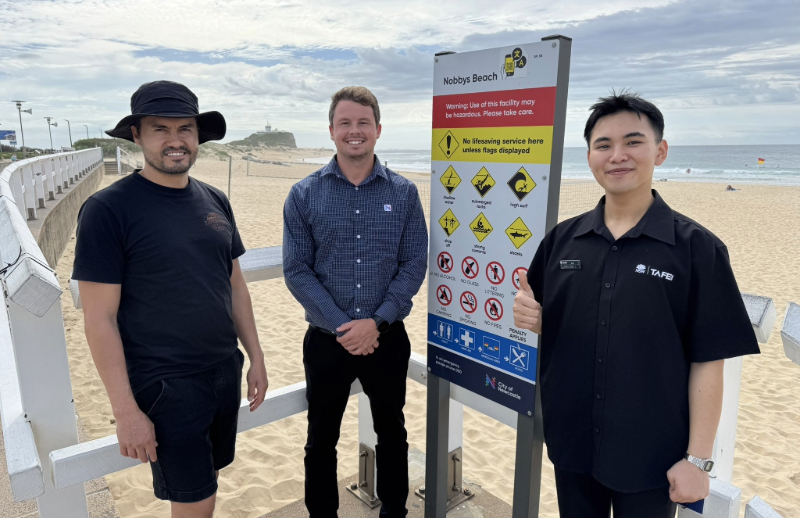
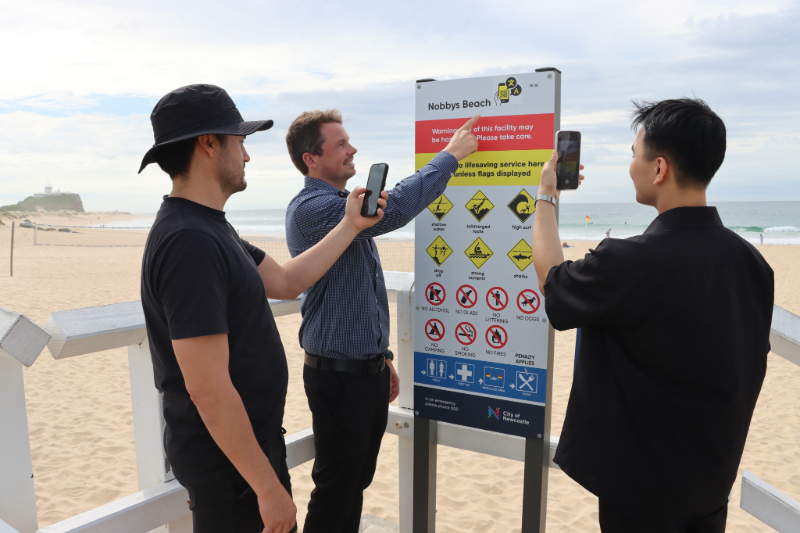
City of Newcastle's Chris Griffin joins Francisco Carreno and Huu Quoc Viet Bui at Nobbys Beach to learn about the new translations of vital water safety information into their first languages of Spanish and Vietnamese.City of Newcastle’s Chris Griffin joins Francisco Carreno and Huu Quoc Viet Bui at Nobbys Beach to learn about the new translations of vital water safety information into their first languages of Spanish and Vietnamese.City of Newcastle’s Executive Manager Community and Recreation Lynn Duffy said studies have shown people who were born overseas represent a disproportionately high number of drowning deaths in Australia.

“As a vibrant, coastal city set alongside six stunning beaches, Newcastle has become an attractive destination for international tourists, while also being home to a thriving, multicultural community with diverse backgrounds and experiences,” Ms Duffy said.

“Heading to the beach is way of life for most Novocastrians, but it’s important to be aware of the risks presented by the ocean and what we can do to minimise them, especially for people who might not have had many experiences in this kind of environment

“Royal Life Saving’s 10-year research study showed that one in three people who drown in Australia are born overseas, with most migrant drownings occurring within their first five years of moving to Australia.

“Our multilingual safety information will help ensure everyone can enjoy our beautiful coastline safely, making our wonderful lifestyle more accessible to those for whom English is not their first language.”

Beachgoers can scan QR codes that have been installed on every City of Newcastle water safety sign from Merewether to Stockton Beach and at Merewether and Newcastle Ocean Baths.

The code takes users to a webpage to view beach safety advice such as swim between the flags, as well as interpretations of signs including high surf and strong currents, which have been translated into Japanese, traditional and simplified Chinese, Arabic, Vietnamese, Spanish, Punjabi, Dari and Swahili.

City of Newcastle’s Aquatic Operations and Education Specialist Chris Griffin said a range of factors led to the roll out of the multilingual safety information.

“Our lifeguards noticed an increase in rescues involving people who didn’t speak English and weren’t familiar with the risks of going to the beach,” Mr Griffin said.

“During our annual Water Safety Education Program, which reaches more than 13,000 children across Newcastle, we also received feedback from migrant families who said they’d like the information to be available in their first language. We’ve had similar feedback from international students at the University of Newcastle regarding beach safety signs.

“We spoke to other Councils about how they’ve developed similar programs and consulted with community planners at City of Newcastle who work with new citizens, to help determine which languages would provide the most benefit.

“We’ll monitor the QR codes to learn which languages are being used the most to see if there’s more we can do within those communities. We’re also hoping to add even more languages in the future.”

Vietnamese TAFE student Huu Quoc Viet Bui said safety messages in multiple languages will help prevent accidents by ensuring international visitors understand important warnings and guidelines.

“I am a beach lover so I cannot live without it. It is one of the places I come after my classes. It makes me feel relaxed having some fresh air after a busy day,” Mr Bui said.

“There are some different things between beaches in Newcastle and Vietnam such as facilities, culture and marine life.

“There are dangers we need to know about at the beaches as a visitor here such as strong waves and hidden hazards.”

The translated guides can be found here:

https://newcastle.nsw.gov.au/explore/beaches/beach-safety

New NSW Privacy Commissioner appointed

Ms Sonia Minutillo has been appointed as the new NSW Privacy Commissioner to deliver an independent voice on the administration of privacy legislation.

Ms Minutillo’s appointment allows her to continue promoting, protecting, and enhancing the privacy rights of the people of NSW.

The NSW Privacy Commissioner investigates and conciliates complaints about breaches of privacy, advises government agencies, businesses, and other organisations on how to ensure the right to privacy is protected.

The Commissioner also oversees NSW Government agency reviews of reported breaches with a view to developments in policy, law, and technology that may impact privacy.

Ms Minutillo will continue to provide oversight of and advice to NSW public sector agencies on compliance with the Privacy and Personal Information Protection Act 1998 and the Health Records and Information Privacy Act 2022 and in protecting the personal information of individuals.

Ms Minutillo was formerly the Director of Investigation and Reporting at the Information and Privacy Commission, leading its regulatory functions including the conduct of reviews, complaints, investigations, and proactive compliance program.

She has been acting NSW Privacy Commissioner since August 2023.

Find out more about the Information and Privacy Commission NSW here.

Minister for Customer Service and Digital Government Jihad Dib said:

“The Privacy Commissioner plays an important role in ensuring accountability in NSW Government by ensuring the public sector handles personal information responsibly and take steps to prevent and manage any data breaches.

“Ms Minutillo has demonstrated her expertise in this area while acting as Privacy Commissioner over the past 18 months, drawing on her experience leading programs in the fields of industrial relations and employment rights and obligations under NSW and Commonwealth legislation.

“I congratulate Ms Minutillo on her appointment and look forward to working with her to uphold the privacy of every NSW resident.”

Attorney General Michael Daley said:

“As the NSW Privacy Commissioner, Ms Minutillo will drive integrity and strong accountability in the public sector to underpin robust governance at every level.

“I welcome Ms Minutillo to this significant role. Her extensive experience and qualifications make her well-placed to continue the important work of promoting and protecting the privacy rights of the NSW community.”

Department of Education to take on oversight of home schooling in NSW

The Department of Education will assume responsibility for overseeing home schooling in NSW from May 5, 2025. This change transfers oversight from the NSW Education Standards Authority (NESA) to the Department, and will align NSW with most other Australian jurisdictions.

The Department of Education has obligations under the Education Act 1990 to ensure students are either enrolled in an approved school or registered for home schooling. These changes will better enable the Department to ensure it is meeting that responsibility.

NESA staff currently involved in the regulatory oversight of home schooling will transfer to the Department of Education, retaining the expertise, working knowledge and relationships that are important to the administration of home schooling in NSW.

The NSW Government will also consider any recommendations made in relation to home schooling in the NSW Auditor-General’s review of Education in alternative settings. 

As in all NSW educational settings, the wellbeing and safety of children remains paramount.

Innovative collaboration for women’s health screening

In a first for the NSW North Coast, women will be able to have both their breast and cervical screenings done in a single visit, thanks to a Mid North Coast Local Health District (MNCLHD) and BreastScreen NSW partnership.

The Cervical Screening Collaborative is an initiative of MNCLHD’s Women’s Health team, ensuring women have access to timely, effective screening with nursing support throughout the process.

Cervical cancer is one of the most preventable cancers, with more than 70 per cent of cases occurring in people who have never been screened or are overdue for their cervical screening.

A Cervical Screening Test every five years is recommended for eligible people aged 25 to 74 who have ever been sexually active. A quick and simple procedure, the test looks for a common infection called human papillomavirus (HPV) which causes almost all cervical cancers.

Under the pilot project, women will be offered a cervical screening appointment at the time of booking their routine breast screening with BreastScreen NSW, allowing them to opt in to the cervical screening.

The first monthly clinic was held in Port Macquarie with the aim to offer the dual screening service at Coffs Harbour, Lismore, and Tweed Heads in the future.

For women aged 50-74, a breast screening every two years is still the best way to detect breast cancer early, before it can be seen or felt. Aboriginal women are recommended to start screening at 40 years of age. 

Any woman who has noticed a change in their breasts, like a lump, should see their doctor without delay. 

For more information and to make an appointment at a local BreastScreen NSW clinic or mobile van, call 13 20 50 or book online on the BreastScreen NSW website.

Minister for Regional Health, Ryan Park:

“Breast and cervical screening can save lives, and I urge all eligible people to get screened when they’re due.

“This pilot provides a seamless experience where women can choose to attend both breast and cervical screening services at the same time.”

Minister for Women, Jodie Harrison:

“Many women have busy lives and often put off important health checks.

“I encourage all eligible women to make the most of this innovative service and book in for the screenings that could save their life.

“The integration of these services means they can get both of these important checks done at the same time. It’ll help increase cervical screening rates on the Mid North Coast, ensuring early detection and better health outcomes for women.”

Minister for the North Coast, Janelle Saffin:

“Offering a combination of screenings for breast cancer and cervical cancer is a progressive win for women’s health in Lismore, Tweed Heads and Coffs Harbour.

“Every woman knows these health checks can be a bit uncomfortable, but they are absolutely necessary.

“Being able to opt in for this dual screening service is convenient and increases the chances of early detection, potentially saving more women’s lives.”

Labor Spokesperson for Port Macquarie and Coffs Harbour, Cameron Murphy MLC:

“This integrated service will be seamless and life saving. We know that early detection of cancer is crucial and hopefully this new combined service prompts every eligible person to use it.”

Quotes attributable to Labor Spokesperson for Tweed, Emily Suvaal MLC:

“Early detection and prevention are key to delivering effective, timely care that can save lives and provide overall better health outcomes for women.

“This initiative will provide efficient and easy access to regular screening for women in the Mid-North Coast, helping them to manage their health on top of their busy lives.

“This is just one part of the Minns Labor Government’s ongoing efforts to improve health outcomes for people in rural and regional New South Wales.”

Professor Tracey O’Brien AM, Chief Cancer Officer and Chief Executive Cancer Institute NSW:

“As a working mother I know how busy life gets so it’s fantastic that we can provide a service that makes it easier for women to prioritise their health and get their cervical and breast screening in one location.

“The self-collection option to the Cervical Screening Test is now giving people a choice on how to do the test, helping break down barriers and encouraging people to take advantage of life-saving screening.”

MNCLHD Women’s Health Clinical Nurse Consultant Renee Bell:

“We know that time is precious and providing women with the opportunity to fulfil two commitments to their health at one location is both convenient and beneficial.

“Our Women’s Health team is excited to be able to offer this timely screening process to the women of the Mid North Coast.”

Grants now open to support NAIDOC celebrations across New South Wales

Aboriginal community organisations and groups across NSW are encouraged to apply for grants to support local NAIDOC events and activities that celebrate Aboriginal and Torres Strait Islander history, culture, and achievements.

The Minns Labor Government is providing $300,000 to support community-driven celebrations that align with this year’s NAIDOC theme: The Next Generation: Strength, Vision & Legacy. Grants awarded will range between $500 and $5,000.

The NAIDOC Grants Program supports communities to come together, share stories, and showcase culture, while strengthening connections to Country and community.

Events funded under the program must take place between 1 July and 30 November 2025.

Last year, the NSW Government supported more than 120 community-led events through its NAIDOC Grant program. These events included public exhibitions, cultural workshops, NAIDOC-themed sporting activities, and community festivals that bring people together to honour Aboriginal and Torres Strait Islander traditions and achievements.

Applications for the 2025 NAIDOC grants close on 21 April. For more information and to apply go to https://www.nsw.gov.au/2025-naidoc-grants

Aboriginal Affairs NSW is hosting an online NAIDOC Grants Community Information Session on Thursday 27 March from 10:30-11:30am. Details and registration can be found at https://www.eventbaba.com.au/events/2025-NAIDOC-Grants-Community-Information-Session. A recording will be available for those unable to attend.

Minister for Aboriginal Affairs and Treaty David Harris said:

“These grants are one of the ways that NSW Government supports local communities to lead celebrations of Aboriginal and Torres Strait Islander history, culture, and achievements.

“NAIDOC Week is an opportunity for us all – Aboriginal and non-Aboriginal people – to connect with community, take part in celebrations and learn from the world’s oldest, continuous living cultures.

“If you’ve got an idea for a NAIDOC event but need funding, I encourage you to apply.

“By supporting events like these we are continuing to close the gap in NSW by giving opportunities for each of us to learn about and connect with the richness and vibrancy of Aboriginal cultures and proudly celebrate those cultures together.”

New pilot program to strengthen regional manufacturing

The NSW Government is continuing its commitment to rebuild the state’s manufacturing industry with the launch of an $800,000 pilot program aimed at boosting productivity, reducing costs and increasing competitiveness.

The Lean Manufacturing Pilot Program will provide small-to-medium-sized manufacturers across regional NSW with funding to undertake audits by professional consultants that will identify ways to re-organise their manufacturing operations.

Lean manufacturing is an internationally recognised business management process that revolves around the principles of continuous improvement, waste elimination, and a customer-centric approach.

It focuses on creating products more efficiently by eliminating unnecessary steps, saving time and using fewer materials in the production process. This approach helps businesses produce goods with fewer resources, without compromising on quality.

More efficient processes mean production lines manufacture fewer products with defects, which in turn reduces operating costs related to providing returns and waste disposal.

For example, a regional food manufacturer might reorganise production lines to improve efficiency, implement preventative maintenance to reduce equipment breakdowns and implement just-in-time inventory management to reduce excess stock and waste.

The audits, undertaken as part of the program, will offer tailored recommendations to help businesses identify inefficiencies, streamline operations, reduce waste and increase productivity, while also highlighting training opportunities for staff.

Several major companies have successfully implemented lean manufacturing to improve efficiency, reduce waste, and enhance productivity over the past decades including Toyota, Ford Motor Company, Boeing, General Electric and Nike.

Many regional NSW companies such as the Bega Group in Bega, Donaldson Australia on the Central Coast, Belmore Engineering at Tamworth, Flavourtech in Griffith and Tyree Transformers at Braemar have also successfully used lean manufacturing principles.

Manufacturing is a key driver of the NSW economy, contributing nearly 30 per cent of Australia’s total manufacturing output.

In regional NSW, the sector generates $32 billion in sales and employs 84,000 workers, reinforcing the need for continued support to strengthen and future-proof the industry.

Industry research by Binder Dijker Otte (BDO) suggests that adopting lean manufacturing can boost small-to-medium-sized businesses’ profit margins by up to three times, depending on their size and turnover.

The NSW Department of Primary Industries and Regional Development designed the pilot program following in-depth industry consultation, which highlighted the need for more support in adopting lean manufacturing principles to ensure regional manufacturers remain globally competitive.

The Lean Manufacturing Pilot Program is part of the NSW Government’s ongoing commitment to supporting manufacturing industries across the state as they navigate rising costs and market challenges.

Expressions of interest for the audits are now open to eligible manufacturers and will close at 4pm on Monday 31 March 2025, with funding allocated on a first-come, first-served basis.

For more information about the program, including guidelines and Expression of Interest details, go to www.nsw.gov.au/LMPP or email economic.programs@dpird.nsw.gov.au.

Minister for Regional NSW and Western NSW Tara Moriarty, said:

“The Lean Manufacturing Pilot Program is an important part of our ongoing support for regional manufacturers across the state, helping them overcome the challenges posed by rising supply chain, energy and labour costs.

“This program is an important step towards ensuring the long-term success of our regional manufacturers.

“We know that by supporting regional businesses to improve their operations, we’re strengthening the entire economy of regional NSW, creating more local jobs and enhancing the long-term sustainability of our regions.”

Minister for Industry and Trade, Anoulack Chanthivong said:

“NSW manufacturing fell in nine out of 12 years under the previous Liberal-National Government, and the Lean Manufacturing Pilot Program is a prime example of how the Minns Labor Government is working to rebuild local manufacturing right across the state.

“Support for local manufacturing is also an integral part of the Minns Labor Government’s recently released Industry Policy.

“Central to the Industry Policy are three new local manufacturing targets, which demonstrate a real commitment to supporting local manufacturing to promote a dynamic, sustainable, and diversified economy.”

HunterNet Chief Executive Officer Ivan Waterfield said:

“Lean manufacturing plays a crucial role in the future of the NSW manufacturing sector. By focusing on eliminating waste and improving efficiency, it helps manufacturers reduce costs and enhance productivity.

“In a time of scarce resources, a strong Lean culture helps manufacturing companies improve their efficiency and their P&L.

“The Lean Manufacturing Pilot Program by the NSW Government is a significant step towards supporting regional manufacturers in becoming more competitive on a global scale and is something that HunterNet fully supports and endorses.”