
The Morrison Government will establish a new national agency to help support local communities respond to large-scale natural disasters and undertake new initiatives to manage the impact of future events and the changing climate.
The National Recovery and Resilience Agency will provide support to local communities during the relief and recovery phases following major disasters.
The new Agency will also provide advice to Government on policies and programs to mitigate the impact of future major disaster events.
Prime Minister Scott Morrison said $600 million would be invested in a new program of disaster preparation and mitigation, managed by the new National Recovery and Resilience Agency.
“The new Agency will help communities rebuild and recover from natural disasters, helping many Australians in their greatest time of need, while strengthening our defences against future major disasters,” the Prime Minister said.
“Immediate funding will support resilience projects across the community and for individuals’ homes, such as bushfire and cyclone proofing houses, building levees and improving the resilience of telecommunications and essential supplies.
“In the past two years Australians have faced floods, bushfires, cyclones, drought and now the COVID-19 pandemic and I’m determined to keep Australians safe and support the recovery of communities and regions right across Australia.”
The National Recovery and Resilience Agency will be led by Coordinator-General Shane Stone and bring together the former National Drought and North Queensland Flood Response and Recovery Agency and the National Bushfire Recovery Agency, including the $2 billion National Bushfire Recovery Fund.
The Agency will also take responsibility for supporting the long-term recovery of communities rebuilding after the recent storms and floods in New South Wales and Queensland and cyclones in West Australia.
Minister for Agriculture, Drought and Emergency Management David Littleproud said Emergency Management Australia will also receive support to upgrade their National Situation Room to include a real time ‘common operating picture’, for all natural disasters.
“We will also provide $4.5 million to support disaster recovery scenario training to help regional communities prepare for high-risk hazards,” Minister Littleproud said.
“This funding will provide accredited training for people working in disaster recovery and two pilot Resilience Hubs to coordinate regional training and capability development across all levels of government when responding to a natural disaster.”
Minister Littleproud said the final, critically important part of these national reforms was the establishment of a world-class climate service with detailed climate and disaster information.
“Through the Australian Climate Service we will draw on the expertise of our best and brightest scientists to help us better anticipate, manage and adapt to climate impacts to inform the work of the National Recovery and Resilience Agency and Emergency Management Australia,” he said.
“I am proud of the reforms to our federal emergency management architecture that have been announced today, along with the ongoing work to implement all of the Royal Commission’s other recommendations.
“This national approach to policy reform will carry all the way through to peoples’ front doors.”
Minister for the Environment Sussan Ley said that the Australian Climate Service would strengthen Australia’s position as a world leader in anticipating and adapting to the impacts of changing climates for decades to come.
“We do face more extreme weather events due to changing climate and this is about being prepared, and being able to take steps to make our communities more resilient,” Minister Ley said.
“By bringing together critical data from the nation’s key climate research institutions, the Australian Climate Service will not only help save lives and money through a more informed emergency response, it will inform long-term planning for infrastructure, housing and basic services like power, telecommunications, and water.
“It will help shape the way we build communities and underpin Australia’s future adaptation strategies, including the new National Climate Resilience and Adaptation Strategy announced in January.
“The collaboration between the Bureau of Meteorology, the CSIRO, ABS and Geoscience Australia is critical to delivering rich insights drawn from an expanded range of data sources.
“It will be further complemented by the Morrison Government’s investments in adaptation and resilience through initiatives such as the National Environmental Science Program and Great Barrier Reef Restoration and Adaptation initiatives.”
Author: admin
More affordable access to insurance for Northern Australians
Northern Australian residents would be offered more affordable and accessible home and business insurance, thanks to the establishment of a reinsurance pool by the Morrison Government.
The reinsurance pool would cover cyclone and related flood damage in northern Australia from 1 July 2022, and would be backed by a $10 billion government guarantee.
This would reduce insurance premiums across Northern Australia by over $1.5 billion for households, strata and small businesses over 10 years.
More than 500,000 residential, strata and small business property insurance policies in Northern Australia are expected to be eligible to be covered by the reinsurance pool.
The Prime Minister Scott Morrison said the plan shows the Government is listening to Australians who live in the North of the country.
“We believe in the future of Northern Australia. This means we need to take further action to boost the resilience for Australians to live and work in northern Australia,” the Prime Minister said.
“I’ve listened to our local MPs and senators, I’ve sat down with residents and discussed the issue. Homeowners and businesses have been faced with crippling insurance costs, and in some cases, can’t get insurance at all. It’s not ok, and we’re going to change that.
“Our plan will give more Australians in cyclone-prone areas access to affordable insurance.”
Treasurer Josh Frydenberg said a Treasury-led Taskforce will continue work on this to develop the final design of the reinsurance pool in close consultation with industry, with details to be finalised following that consultation process.
“More affordable insurance means peace-of-mind for hundreds of thousands of Australians across Northern Australia, knowing that their economic livelihoods are protected,” the Treasurer said.
Minister for Agriculture, Drought and Emergency Management David Littleproud said that while the Federal Government is not the insurer of last resort, a reinsurance pool would make insurance easier and cheaper for those in the tropical north.
“It will put more money back into the pockets of those in the cyclone and flood prone areas of far north Queensland and the savings will build in their bank accounts for years to come,” Minister Littleproud said.
Minister for Resources, Water and Northern Australia Keith Pitt said high insurance costs in northern Australia have long been a problem.
“It’s been a problem for business, a problem for local economies and a problem for every person who lives in the North. The passionate advocacy that occurred by George Christensen, Warren Entsch, Phil Thompson, Michelle Landry, Susan McDonald and Sam McMahon in fighting for north Australians to address this issue has delivered for the region today. I want to thank them for their hard work,” Minister Pitt said.
The Government is also announcing a plan to specifically reduce insurance costs for strata properties, by committing $40 million for the North Queensland Strata Title Resilience Pilot Program, to start in 2022.
Strata properties face some of the worst insurance affordability pressures in Northern Australia. The ACCC noted that, in 2018-19, the average strata premium was $6,800 in North Queensland, compared with the Australian average of only $3,300. Strata residents have few options other than to pay this because strata properties are required to hold insurance under Queensland legislation.
Assistant Treasurer Michael Sukkar said this three-year pilot program will subsidise the cost of cyclone risk mitigation works to improve insurance affordability and access for strata title properties in North Queensland.
“Today’s announcement represents the most significant action taken by the Commonwealth to improve insurance affordability and accessibility in Northern Australia,” Minister Sukkar said.
Biosecurity for a safe Australia and thriving farming sector
The Coalition Government will bolster its commitment to protect Australian agriculture and regional communities.
A new $371 million biosecurity package strengthens Australia’s ability to keep out exotic pests and diseases, and improve our ability to fight an outbreak.
Prime Minister Scott Morrison said the Government is stepping up efforts to stop threats such as African swine fever, khapra beetle and foot and mouth disease entering Australia.
“Protecting our borders is as much about protecting our livestock, crops and environment from diseases that have the potential to devastate them and the livelihoods they support, as it does the health of Australians during COVID-19 or protecting Australia’s national security,” the Prime Minister said.
“Australia’s biosecurity system protects $42 billion in inbound tourism, $53 billion in agricultural exports and 1.6 million Australian jobs across the supply chain.
“This investment is about building a protective ring around Australia to safeguard our industry as well as the rural and regional communities that depend on it. There will never be zero risk but we are committed to reducing the risk where possible.
“We need to make sure agriculture continues to play a leading role in our national economic recovery.”
The package comes after a record $888 million investment in biosecurity and export services in 2020-21 and includes:
- $34.6 million for research and improved field tools to better understand how pests and diseases could enter the country, particularly in northern Australia.
- $19.5 million to trial pre-border biosecurity screening technology on inbound and outbound passengers.
- $1.5 million to review current systems and bust congestion for importers.
- $96.8 million for the offshore treatment provider assurance program, and data and technology advancements to rapidly identify containers for intervention.
- $25.5 million for modern technologies to improve the speed and accuracy of pest and disease identification at the border.
- $28.7 million to expand the Maritime Arrivals and Reporting System to include reporting on international aircraft and non-commercial maritime vessels.
- $31.2 million to improve management of biosecurity risks associated with incoming international mail, by automating workflow, modernising risk assessment capability and using 3D X-ray technology.
- $58.6 million to continue and expand the 2019-20 investment in preventing African swine fever (ASF) from entering Australia through: increasing frontline screening activities for ASF; supporting assets and tools to detect porcine products; and capability building exercises in Australia and neighbouring countries to improve detection of and response to ASF outbreaks.
- $67.4 million to support Australia’s biosecurity preparedness and response capabilities, including delivery of a national scale preparedness exercise to stress-test the biosecurity system; building and maintaining a national surveillance information system on the national animal sector; operational diagnostic equipment for testing and molecular diagnostics; and epidemiological and economic modelling to support surveillance prioritisation.
- $3.9 million to increase community and business biosecurity awareness through targeted awareness campaigns focusing on significant biosecurity threats such as hitchhiker pests, developing education and communication materials, and conducting social and market research; and
- $3.2 million, already announced, to trial new industry arrangements that aim to reduce red tape and biosecurity regulatory costs for importers and agricultural businesses.
Minister for Agriculture, Drought and Emergency Management David Littleproud said the package is comprehensive.
“It complements the reforms we are implementing across our biosecurity system, to make it modern, efficient and keep Australians safe,” Minister Littleproud said.
“Those reforms include investment and business improvements to address recommendations made by the independent Inspector-General of Biosecurity, including efforts to manage the unique public health risk posed by passengers and crew on arriving international vessels.
“We are investing in technical solutions to keep biosecurity threats out of Australia, including through new screening technologies for people and goods at the border.
“We will fund a series of ground-breaking trials to screen for biosecurity risks offshore and continue the development of modern, innovative detection systems.
“We are investing in better management of hitchhiker pest risk before they reach Australia, through expanding offshore management of risks and strengthened border interventions of shipping containers, while ensuring the safe, efficient clearance of low-risk commodities.
“Building community and industry awareness of our biosecurity system is also essential to ensuring the effectiveness of the system.
“This is why we are investing to increase importers’ and individuals’ understanding of their role in the system, including through a new biosecurity brand and targeted biosecurity campaigns.
“This package demonstrates our commitment to our agricultural sector and unique environment.”
Fast facts:
- Recent University of Melbourne Centre for Excellence in Biosecurity Risk Analysis modelling puts the net present value of the biosecurity system at $314 billion over 50 years.
- This means a $30 return on investment for every dollar we spend on biosecurity over the next 50 years.
- The national biosecurity system is a key contributor to our farming systems, the wider economy, our environment and biodiversity, our human health and the social fabric of our country.
- Last year there were over 2.5 million container arrivals into Australia, 19,000 commercial vessel arrivals and 60 million mail items.
Full details of all measures are available at www.awe.gov.au/budget.
Federal Budget infrastructure boost to help build Western Australia’s economic recovery
The Western Australia economy will be boosted by a $1.3b infrastructure package, with record funding for major new projects to be announced in next week’s Federal Budget.
Key projects to be funded include:
- $347.5 million for METRONET: Hamilton Street-Wharf Street Grade Separations and Elevation of Associated Stations, including Queens Park Station and Cannington Station and an enhanced METRONET Byford Rail Extension project, with new grade separated rail crossing at Armadale Road and an elevated station at Armadale
- $200 million for the Great Eastern Highway Upgrades – Coates Gully, Walgoolan to Southern Cross and Ghooli to Benari
- $160 million for the WA Agricultural Supply Chain Improvements – Package 1
- $112.5 million for the Reid Highway – Altone Road and Daviot Road-Drumpellier Drive – Grade-separated intersections
- $85 million for the Perth Airport Precinct – Northern Access
- $64 million for the Toodyay Road Upgrade – Dryandra to Toodyay
- $55 million for the Mandurah Estuary Bridge Duplication, and
- $31.5 million towards the METRONET High Capacity Signalling project
Prime Minister Scott Morrison said these projects will make WA roads safer and improve public transport, reducing travel times and supporting thousands of jobs across the state.
“From upgrading the Great Eastern Highway and building METRONET, to improving roads and rail lines that are crucial to our grain growers and farmers in the Great Southern and Wheatbelt – these projects will support more than 4,000 direct and indirect jobs across WA,” Prime Minister Morrison said.
“Our record funding commitment is boosting businesses and communities as part of the Government’s National Economic Recovery Plan.
“And of course the landmark GST deal for WA delivered by our Government enables the WA State Government to also deliver on their infrastructure commitments.”
Deputy Prime Minister and Minister for Infrastructure, Transport and Regional Development Michael McCormack said the substantial new funding delivered in this year’s Budget was a key plank of the Government’s plan to help Australia bounce back stronger than ever from the COVID-19 pandemic.
“In this Budget, the Federal Government will continue our strong record of infrastructure delivery as we lay the economic foundations for recovery from the pandemic,” the Deputy Prime Minister said.
“Since April last year, we have delivered NorthLink WA – Northern and Central Sections, which received $556 million in federal funding. We also partnered with the Western Australian Government to deliver the Great Northern Highway – Muchea to Wubin Upgrade, with a $276 million federal investment.”
Western Australian Premier Mark McGowan said the additional $1.26 billion would ensure WA’s pipeline of infrastructure work will continue, providing an ongoing economic boost.
“We are already embarking on the biggest road and rail investment program our State has ever seen,” he said.
“This program has something for the city and regions, targeting major congestion pinch points in the eastern, northern and southern suburbs which are currently experiencing major population growth.
“With nine METRONET projects under construction, as well as more than 50 major road projects, we’re building the major infrastructure for tomorrow as well as creating the local jobs for today.”
Minister for Communications, Urban Infrastructure, Cities and the Arts Paul Fletcher said the Government is driving the delivery of major infrastructure projects across the state, building the economy, creating jobs and providing certainty for business over the long term.
“Importantly, this budget includes significant funding for digital technology investments to support more efficient use of rail and road infrastructure, including METRONET signalling. This builds on the Morrison Government’s existing investment in Intelligent Transport Systems across Perth,” Minister Fletcher said.
“Digital technology is transforming every aspect of modern life including transport, and with these investments Western Australia will be at the forefront.”
Senator for Western Australia Michaelia Cash said in this Budget, the Government was providing funding to better connect regional Western Australia.
“This includes the WA Agricultural Supply Chain Improvements project to better connect our world-class farmers to domestic and international markets,” Senator Cash said.
“Regional WA is the backbone of our State, the powerhouse of our economy, and by backing supply chain improvements, we are supporting them to continue to lead our State’s recovery.”
Western Australian Transport Minister Rita Saffioti welcomed today’s major investment by the Commonwealth Government.
“Today’s funding announcement will ensure there is a pipeline of work for industry over the next five to six years,” she said.
“Not only does this mean we have a plan for future works, it also provides industry with certainty, which will encourage and create more local jobs, apprenticeships and training opportunities.
“Our Government has been working collaboratively with the Commonwealth to negotiate this funding and we will announce our allocations later this year in the State Budget.”
For more information on investments in Western Australia visit http://investment.infrastructure.gov.au.
April’s events see hotel occupancy bounce back to pre-COVID-19 levels
Newcastle’s visitor economy received a major economic injection as a result of the City’s Event Packed April with industry data showing the accommodation sector returning to pre-COVID occupancy levels.
According to the Australian Accommodation Monitor Reports, demand for accommodation in Newcastle during the first fortnight in April saw occupancy levels sitting between 80-90% most days. The average daily rate for rooms increased by $52 per night, resulting in a 29% uplift in room revenue compared to the same period in 2019.
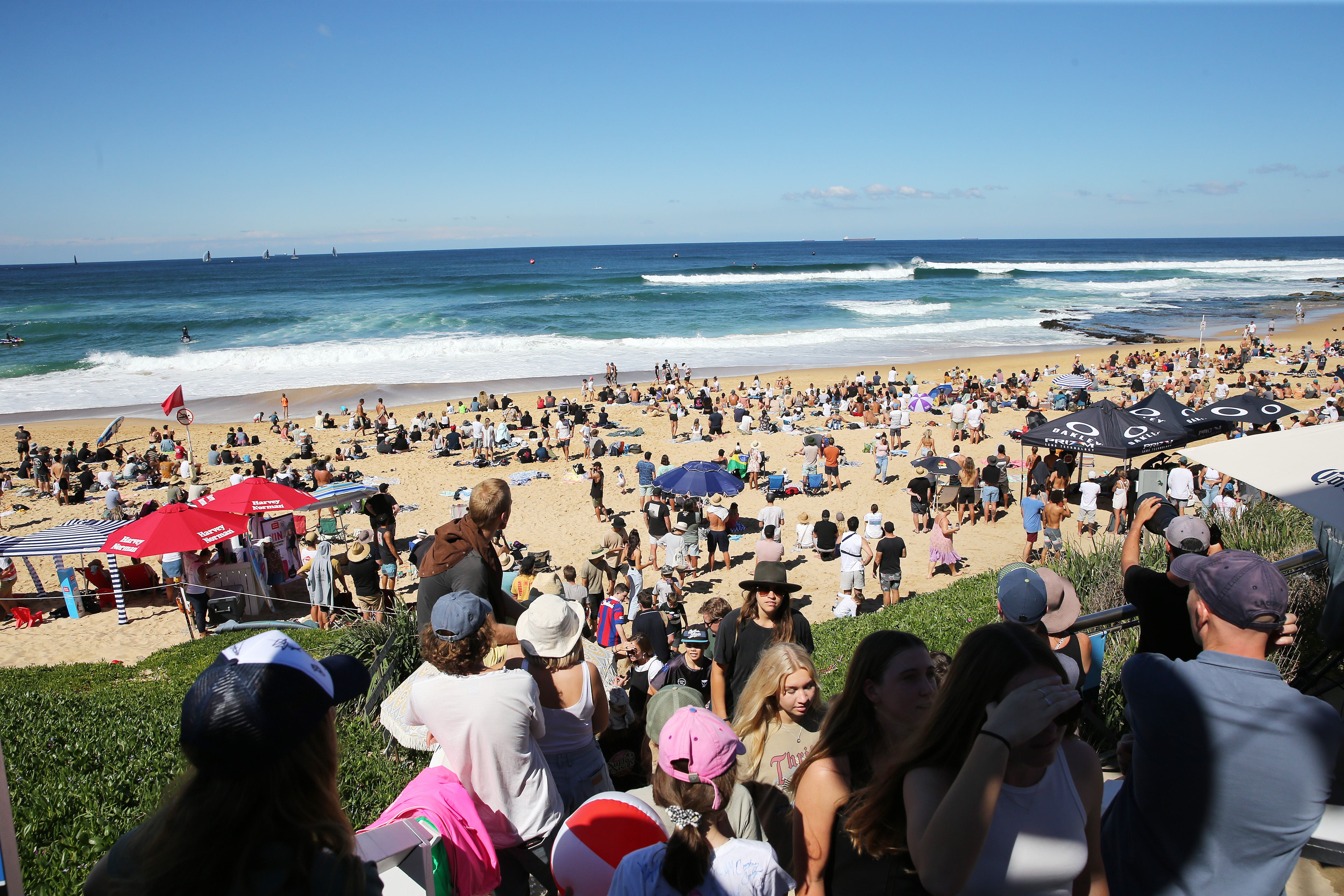
City of Newcastle’s Event Packed April was spearheaded by the World Surf League (WSL) Newcastle Cup along with SailFest Newcastle Regatta, Newcastle Seafood Festival, Newcastle Food Month, AoN Women’s University Rugby 7s and NewRun Newcastle Festival of Running.
Lord Mayor Nuatali Nelmes said there is significant opportunity for an event-led economic recovery in Newcastle and it is evident in the newly released data that events are a ticket to driving Newcastle’s visitor economy toward long-term growth.
“City of Newcastle’s April events calendar returned impressive results for Newcastle’s tourism and hospitality businesses still on the road to recovery, “Cr Nelmes said.
“Pre-COVID, our city’s hotels, once filled mid-week with corporate business travellers, saw their occupancy levels sitting at 80-90% again most days, thanks to the WSL Newcastle Cup and the City’s bumper April events calendar.”
A pipeline of new hotel product is under construction, including the five-star Kingsley in the former City Administration Centre set to open in June, Doma’s Little National Hotel, Iris Capital’s QT Hotel, and with plans underway to develop the historic Newcastle Post Office into a conference and function space.
“With a fresh injection of new hotel supply, the City’s ability to pitch for major events will only boost its appeal as a host city and position Newcastle ahead of other destinations,” Cr Nelmes said.
“We are in the early stages of rolling out Newcastle’s newly adopted Destination Management Plan, designed to reposition the city as a premier tourism destination with a strong focus on events, natural assets and cultural heritage, with a raft of initiatives and projects designed to grow our visitor economy and increase visitor spend.”
City of Newcastle continues to invest and support Newcastle’s visitor economy through the Product Development and Mentoring Program, the development and implementation of the highly targeted WhoKnew destination awareness campaign, and destination marketing partnerships with Destination NSW and Newcastle Airport.
$135 MILLION TO HELP SAVE LIVES ON OUR ROADS
Road users across the state are set to benefit from a $135 million investment in road safety projects under the latest round of the $822 million Safer Roads Program.
Minister for Transport and Roads Andrew Constance said 78 lifesaving projects will be financed this year through the Community Road Safety Fund.
“The Safer Roads program is estimated to prevent the loss of more than 1500 lives and serious injuries on our roads over 15 years. That’s 1500 people making it home safely to their families because of these projects,” Mr Constance said.
“We want to ensure everyone who travels on our roads makes it home safely at the end of the day. That’s why all money generated from the mobile speed camera program goes directly into the Community Road Safety Fund to deliver lifesaving projects like these.
“This year we will see $43 million go towards projects across metropolitan NSW, with the other $92 million dedicated to the regions.”
Minister for Regional Transport and Roads Paul Toole said this latest round of the program built on the Federal and NSW Government’s $408 million commitment in March to deliver hundreds of projects designed to reduce road trauma and save lives.
“Both governments have a shared goal of no deaths or serious injuries on our roads, because no one should have to hear the devastating news that a loved one has lost their life in a crash,” Mr Toole said.
“More than $92 million of this funding will be invested in making our regional roads safer through improvements like safety barriers, rumble strips and wide centrelines.
“We know how important good roads are in the bush – projects like these are ensuring every trip is a safer one and building on our vision for a safer, stronger regional NSW.”
This latest investment in the Safer Roads Program will deliver:
- 28 kilometres of safety barrier, which absorb impact forces and protect vehicle occupants, reducing the severity of head-on and run-off-road crashes by up to 95 per cent.
- 167 kilometres of rumble strips to alert motorists they are departing from their lane, reducing the likelihood of this crash type by up to 25 per cent.
- More than 30 kilometres of wide centreline providing a greater distance for drivers to recover from lane departure, reducing the likelihood of head-on crashes by up to 50 per cent and run-off-road crashes by up to 25 per cent.
- 313 high-risk rural curve improvements including shoulder sealing, safety barriers, rumble strips, signage upgrades and line-marking upgrades.
- 47 urban intersection improvement projects including roundabouts and traffic signal upgrades.
MAKING LIFE EASIER FOR PET OWNERS
Dog and cat owners across NSW are set to benefit from a revamped NSW Pet Registry with a $2 million rebuild of the online platform to enhance functionality and improve the user experience.
Minister for Local Government Shelley Hancock and Minister for Digital and Customer Service Victor Dominello said the Government is building a new Pet Registry to improve registration and microchipping features based upon feedback from pet owners, animal welfare organisations, councils, and other key stakeholders.
“The Registry www.petregistry.nsw.gov.au allows pet owners to register cats and dogs, update their contact details, report missing pets, transfer ownership and pay lifetime registration fees all from a computer or mobile device,” Mrs Hancock said.
“It is a requirement in NSW for cats and dogs to be registered by the time they are six months old. They must first be microchipped and preferably desexed.
“Microchipping, registering and desexing your cat or dog is a crucial part of being a responsible pet owner and helps to reduce straying, aggression, fighting and antisocial behavior as well as added health benefits for your animal.
“Registering your cat or dog for a one-off lifetime fee and creating an online pet profile on the NSW Pet Registry gives you the best possible chance of having your beloved animal returned if it goes missing.
“Pet registration fees go directly to the Companion Animals Fund which pays for companion animal management by local councils including pounds/shelters, ranger services, dog recreation areas, and education and awareness programs.
“The fund is also used by the State Government to operate the NSW Pet Registry and carry out responsible pet ownership initiatives.”
Mr Dominello said the funding comes from the Digital Restart Fund, which invests in key digital transformation projects across the State.
“With the digital landscape evolving faster than ever, the time is right to take stock of how the Registry is serving the State’s pet owners and see how we can improve such an important component of responsible pet ownership,” Mr Dominello said.
“Pets bring joy to so many people’s lives but the current customer experience is poor and this funding will put pet owners at the centre of the process.
“From there the project will be geared towards streamlining microchipping and registration on the site, based upon stakeholder feedback on how the process can be made more pet owner friendly.”
The development of a new Pet Registry aligns with the Premier’s Priority of “Government Made Easy”, enhancing the way government interacts with customers, saving people time and improving the customer experience.
For more information on the NSW Pet Registry, visit www.petregistry.nsw.gov.au.
NSW LOOKS TO LEAD THE WAY WITH mRNA VACCINES
Premier Gladys Berejiklian has brought together the State’s leading experts in mRNA technology as NSW looks to create a new medical manufacturing and research industry.
Ms Berejiklian, Health Minister Brad Hazzard and NSW Chief Health Officer Dr Kerry Chant yesterday met with experts including NSW Chief Scientist Hugh Durrant-Whyte to discuss the capacity of NSW to manufacture mRNA vaccines.
Both the Pfizer and Moderna vaccines use mRNA technology. However, Australia currently has no long-form RNA manufacturing capacity.
Premier Gladys Berejiklian said the pandemic has shown us how the private sector, universities and the NSW Government can work together to produce world-leading technology, new-generation therapies and life-changing research.
“NSW is well placed to provide the advanced manufacturing workforce training, the scientific expertise and the physical location of a future RNA-based manufacturing hub.”
“The state has an established advanced manufacturing capability and is well placed to be the home of mRNA manufacturing in Australia.”
Unlike traditional vaccines which use an inactivated virus, messenger RNA (mRNA) vaccines teach cells how to make protein that triggers an immune response which provides protection from the real virus.
Health Minister Brad Hazzard said RNA technology is projected to be a crucial tool in next generation vaccines, therapies and diagnostics.
“The success of RNA technology in rapidly developing a COVID-19 vaccine is just one early indicator of the potential of this technology to advance medicine,” Mr Hazzard said.
Hugh Durrant-Whyte, NSW Chief Scientist & Engineer said NSW has significant research expertise in RNA technologies that would benefit from stronger partnerships between academia and industry.
“NSW has world-leading research expertise in RNA, vaccine development and genetic therapies. Our objective is to translate this expertise into commercial medical manufacturing outcomes for the benefit of all,” Professor Durrant-Whyte said.
NSW is home to nationally and globally significant programs of genomic medicine development, particularly in the fields of gene therapy, gene-modified cell therapy and RNA therapy. These therapies treat a wide range of conditions including genetic diseases, cancers, infectious diseases and cardiac conditions.
NSW already has capabilities in the advanced manufacture of viral vectors, plasmids and short-form RNA, which are key technologies used for these therapies. The addition of mRNA capacity to this manufacturing network would significantly strengthen local research and development programs.
Fatal crash – Stroud
A woman has died following a single-vehicle crash in the Hunter region.
About 10.50am today (Wednesday 5 May 2021), emergency services were called to The Bucketts Way – about 5km north of the Stroud Hill Road intersection – following reports a Ford Ranger had left the road.
Upon arrival, NSW Ambulance paramedics located the driver – a female aged in her 30s – trapped in the front cabin of the vehicle; she died at the scene.
An 11-year-old girl was able to free herself from the vehicle, she was treated by paramedics for minor injuries and transferred to the John Hunter Hospital.
Officers from Port Stephens-Hunter Police District have established a crime scene as they investigate the circumstances surrounding the crash.
The Bucketts Way has been closed in both directions, with diversions in place for both north and southbound traffic via Johnsons Creek Road. Delays are expected, police are urging motorists to avoid The Bucketts Way as the road will be closed for some time.
Anyone motorists who were driving along The Bucketts Way around the time of the incident and may have dashcam footage is urged to contact police.
Greens Budget push to force billionaires & big corporations to return Job Keeper
Greens leader Adam Bandt will announce the next steps in the Greens campaign to make the billionaires and big corporations pay their fair share today, with a Budget push for the Morrison government to force the billionaires and big corporations who profited from JobKeeper to pay it back.
Launching the campaign in his electorate outside a Harvey Norman store in Richmond, Mr Bandt said the Greens would seek to amend the Budget to effectively force the repayment of JobKeeper by billionaires and big corporations, like billionaire Gerry Harvey’s corporation, who received JobKeeper yet paid dividends, executive bonuses or were otherwise profitable.
Mr Bandt will also outline the details of a campaign by Greens supporters to name and shame the billionaires and big corporations who have profited during the pandemic. Flanked by supporters and holding a giant debt collection notice outside the Harvey Norman store, Mr Bandt will say Greens supporters would be serving debt notices online and outside stores and offices of the billionaires and big corporations.
Mr Bandt will write next week to Crossbench Senators and MPs and Labor to ask for their support for the amendments to the Budget.
A Parliamentary Budget Office costing, commissioned by the Greens, shows that 65 of the big corporations that have made excessive profits or paid out executive bonuses during pandemic would return $1.1 billion to the public if effectively forced to return JobKeeper. This is a low estimate of what could be returned, as the government has not disclosed any comprehensive list of excessively profitable companies who received JobKeeper for inclusion in the PBO costing.
Greens Leader, Adam Bandt said:
“The Greens will make the billionaires and big corporations pay their fair share.”
“While everyone else was suffering during the pandemic, billionaires and big corporations took government handouts and got even richer.
“If you’re making enough money to buy a private jet or pay executive bonuses, then you can pay back JobKeeper.
“Billionaire Gerry Harvey doesn’t need public handouts. Australians have shoveled money through the front door of Harvey Norman and the government has shoveled public money through the back door. Big corporations like Harvey Norman should be made to pay JobKeeper back.”
“The PBO estimates over $1 billion dollars has gone to just 65 big corporations who then made big profits, paid dividends or gave out executive bonuses, and this is just the tip of the iceberg.”
“It’s not enough to just ask them to pay back JobKeeper, Parliament has to make them do it. Simply appealing to these billionaires’ better nature won’t work, because they don’t have one.”
“The Greens call on every member of Parliament to back our push to force these billionaires and big corporations to pay back JobKeeper.”
“We will be naming and shaming these corporations with debt collection notices in the coming weeks.”
“JobKeeper was a lifeline for many, but for some billionaires it was another ivory back scratcher.
“Liberals and Labor take donations from billionaires and big corporations, but this is their chance to make them pay back the JobKeeper payments they didn’t need.”