
People approaching the end of life will have more choice to remain in their own homes for longer thanks to a $56 million funding boost included in the 2020-21 NSW Budget.
Treasurer Dominic Perrottet said the funding is in addition to the $220 million the NSW Government invests in palliative care services each year to benefit patients and carers.
“The unprecedented situation with COVID-19 has shown all of us the importance of having frank end of life discussions with our vulnerable loved ones,” Mr Perrottet said.
“This investment will support individual preferences and improve access to palliative care services, as well as create more jobs for those working with palliative patients.”
Health Minister Brad Hazzard said, as part of the investment, an additional 5,000 End of Life home support packages will be made available across NSW from 1 July 2021.
“For many people, dying at home, or staying at home longer, offers more peace but it requires access to a comprehensive package of support for carers,” Mr Hazzard said.
“The NSW Government held roundtables across the state to inform our palliative care strategy and we continue to make good on our promise to provide integrated care.”
Mr Hazzard said the home packages not only offer case management but provide practical personal care and domestic supports, assistance with meals and transport.
Linda Hansen, Chief Executive of Palliative Care NSW said that quality palliative care requires a multi-disciplinary approach.
“This funding recognises the vital role of allied health professionals in supporting the physical and mental health needs of patients at this difficult time,” Ms Hansen said.
“Extending the program of in-home support will mean that more people will be able to achieve their goal of being cared for at home.”
The total funding boost includes:
- $30.4 million over four years to support multi-disciplinary approaches for end of life and palliative care to meet the needs of patients and their families and carers.
This includes:
- $4.5 million per year for up to 35 additional allied health professional positions such as occupational therapists, speech pathologists, dietitians and physiotherapists, to address patients’ physical health needs and to support safe discharge from hospital so that people can be cared for at home if they choose
- $1.2 million per year, from 2021/22 to implement education and training to develop and grow the specialist palliative care workforce, and enhance capability across the health workforce
- $2 million per year to improve access to bereavement and psychosocial support services for people experiencing complex grief
- $25.6 million over four years to increase End of Life home support packages across NSW, including:
- Case management and services such as; personal care, domestic supports, assistance with meals, in-home respite and transport to appointments.
- The new funding will supplement this program with an additional 5,000 packages.
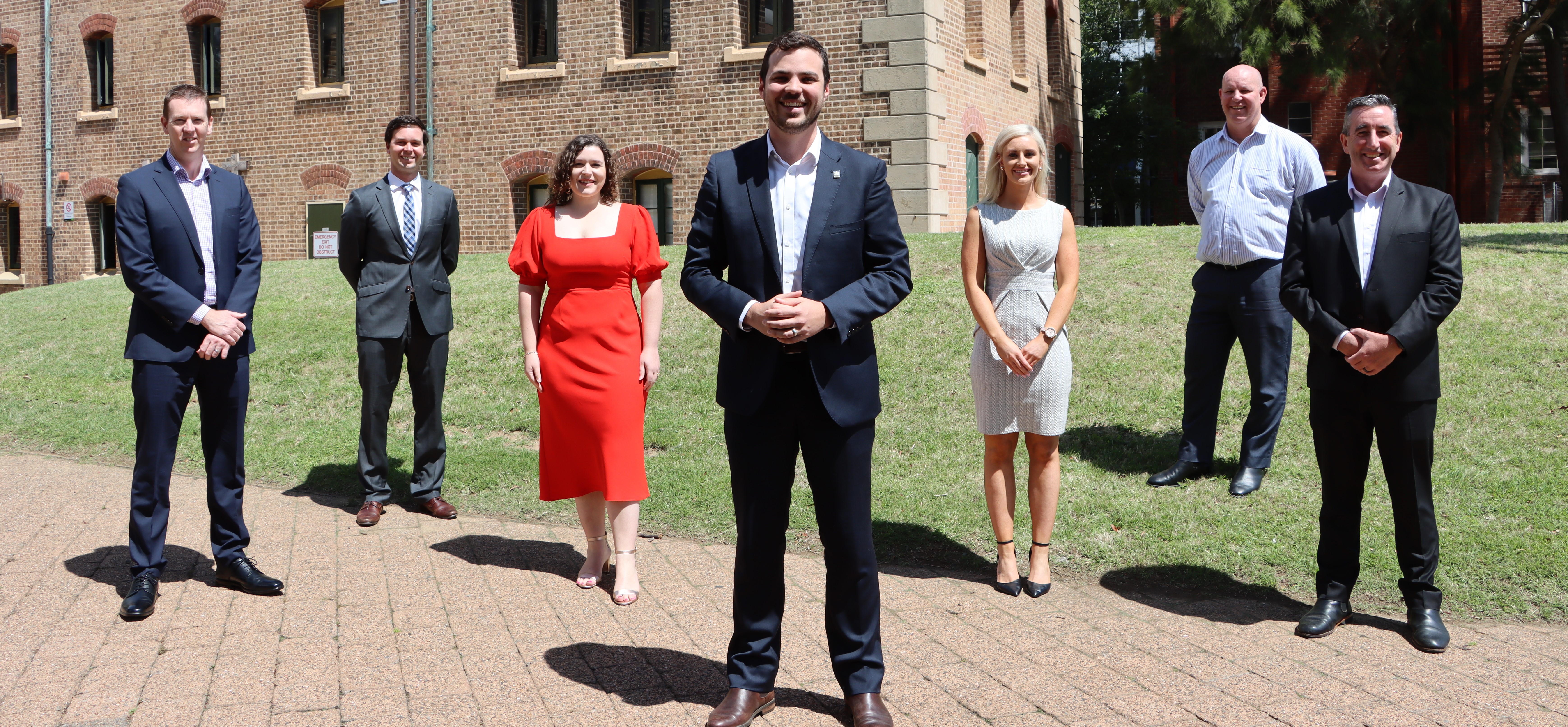 (L-R): TAFE Services Manager Newcastle and Lake Macquarie, Adrian Collins; City of Newcastle’s Economic Strategy & Government Relations Manager, Simon Massey; Hunter Young Professionals President, Kate David; Deputy Lord Mayor Declan Clausen; Hunter Young Professionals Vice-President, Danielle O’Neill; TAFE Regional General Manager, Jason Darney; and HunterNet COO, Nick Couper at Hamilton TAFE Campus.
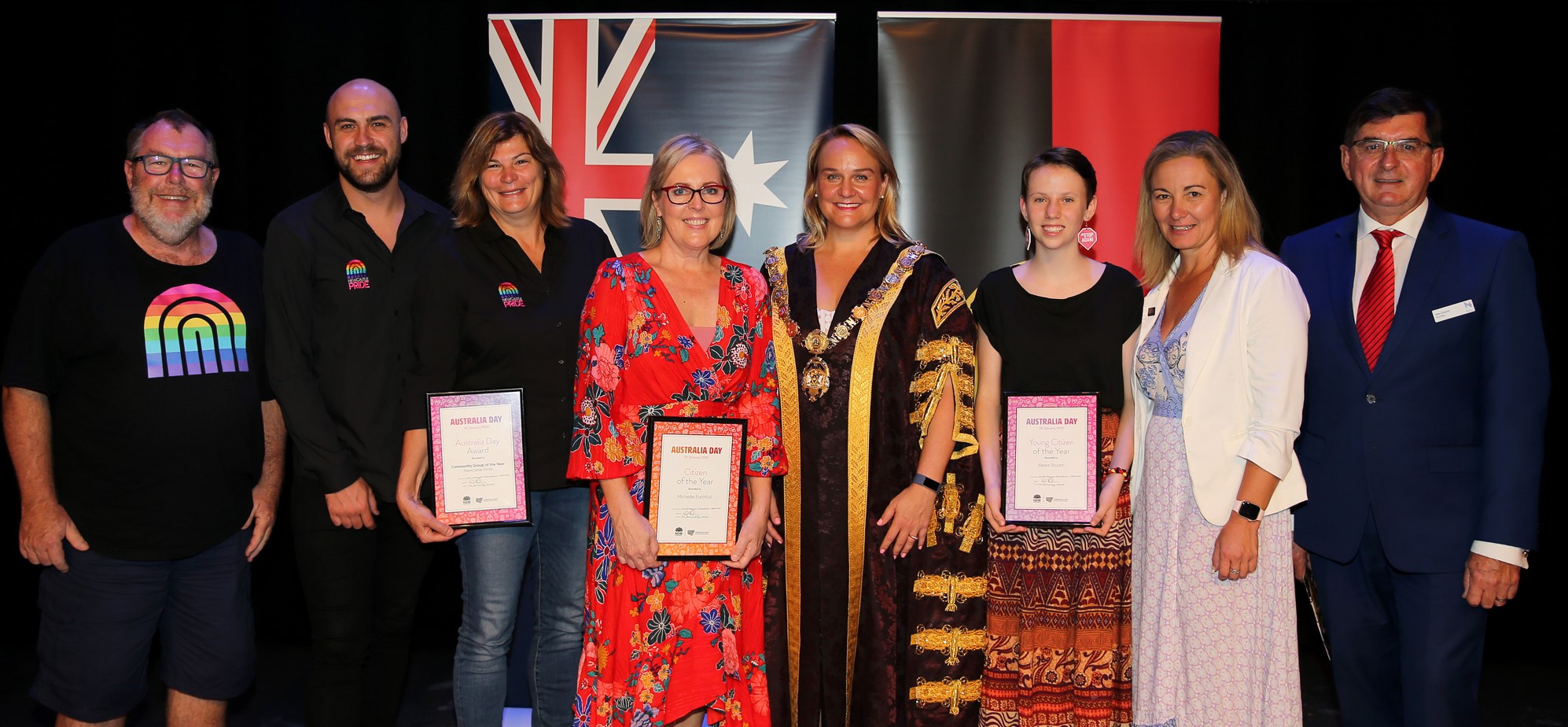 2020 Australia Day Award recipients Newcastle Pride (Community Group of the Year), Michelle Faithfull (Citizen of the Year) and Alexa Stuart (Young Citizen of the Year) with Lord Mayor Nuatali Nelmes and Councillors Peta Winney-Baartz and John Church at January’s award ceremony.